
Cincinnati Emergency HVAC
Did Floodwater Reach Your HVAC Equipment?
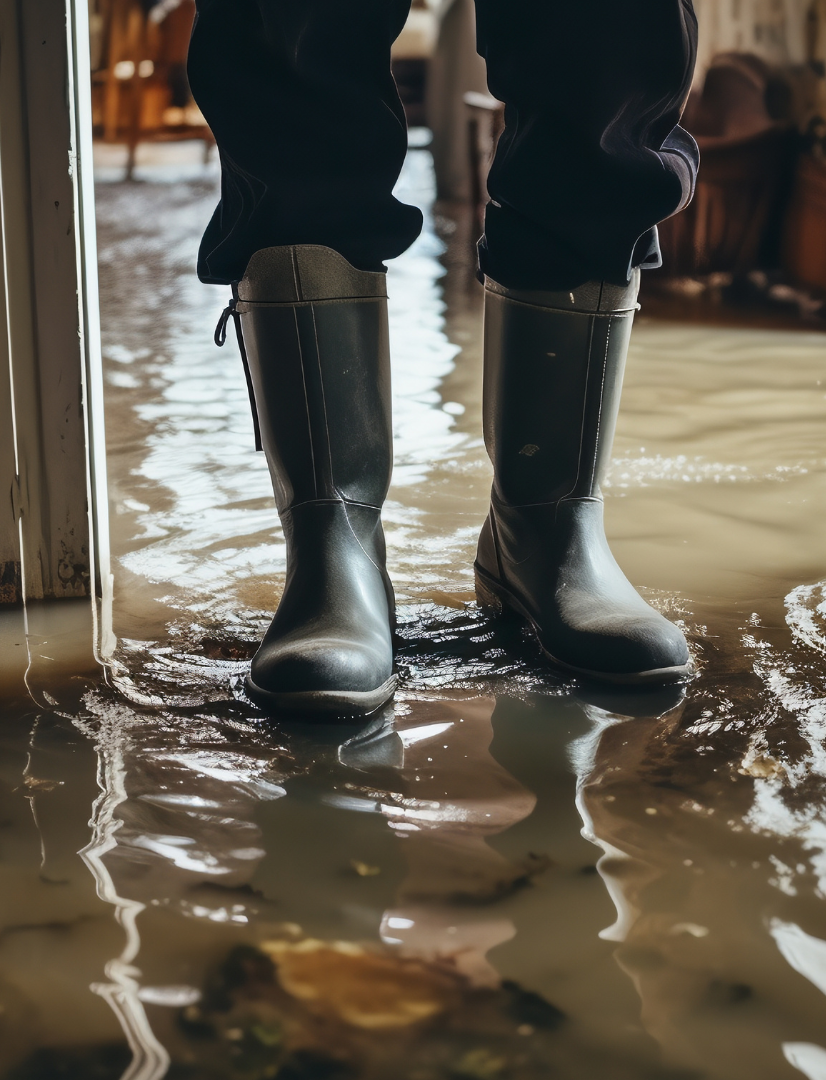
Recent flooding and heavy storms across Cincinnati have left many homeowners dealing with water damage in basements, utility rooms, and around outdoor HVAC equipment. If your furnace, air conditioner, heat pump, and electrical components were exposed to floodwater, it’s important to have the system professionally inspected before turning it back on to rule out any safety concerns. Local authorities identified significant flooding and water rescues throughout Cincinnati neighborhoods including Oakley, Hyde Park, Norwood, Madisonville, Pleasant Ridge, and Fairfax. wcpo.com, wcpo.com
Schedule a Flood Damage HVAC Inspection Today
Our certified technicians provide comprehensive inspections for:
- Flooded furnaces
- Water-damaged air conditioners
- Flood-damaged heat pumps
- HVAC electrical systems
- Damaged thermostats and controls
- Water-exposed ductwork
Warning Signs
Signs Your HVAC System May Have Flood Damage
You should schedule an inspection if any of the following apply:
- Floodwater reached your furnace or air handler
- Your outdoor AC unit was submerged or surrounded by standing water
- Your basement experienced flooding
- Your system won’t start after the storm
- You notice unusual sounds, odors, or electrical issues
- Your utility room or mechanical equipment was exposed to moisture
Even minor water intrusion can damage motors, control boards, wiring, safety switches, and other critical components.
Damage Indicators
Common Signs of Flood Damage to HVAC Systems
Water or Mud Around Equipment
Evidence of water exposure near the furnace, air handler, or outdoor condenser is one of the most obvious warning signs.
System Will Not Turn On
Floodwater can damage control boards, capacitors, wiring, and electrical connections.
Burning or Musty Odors
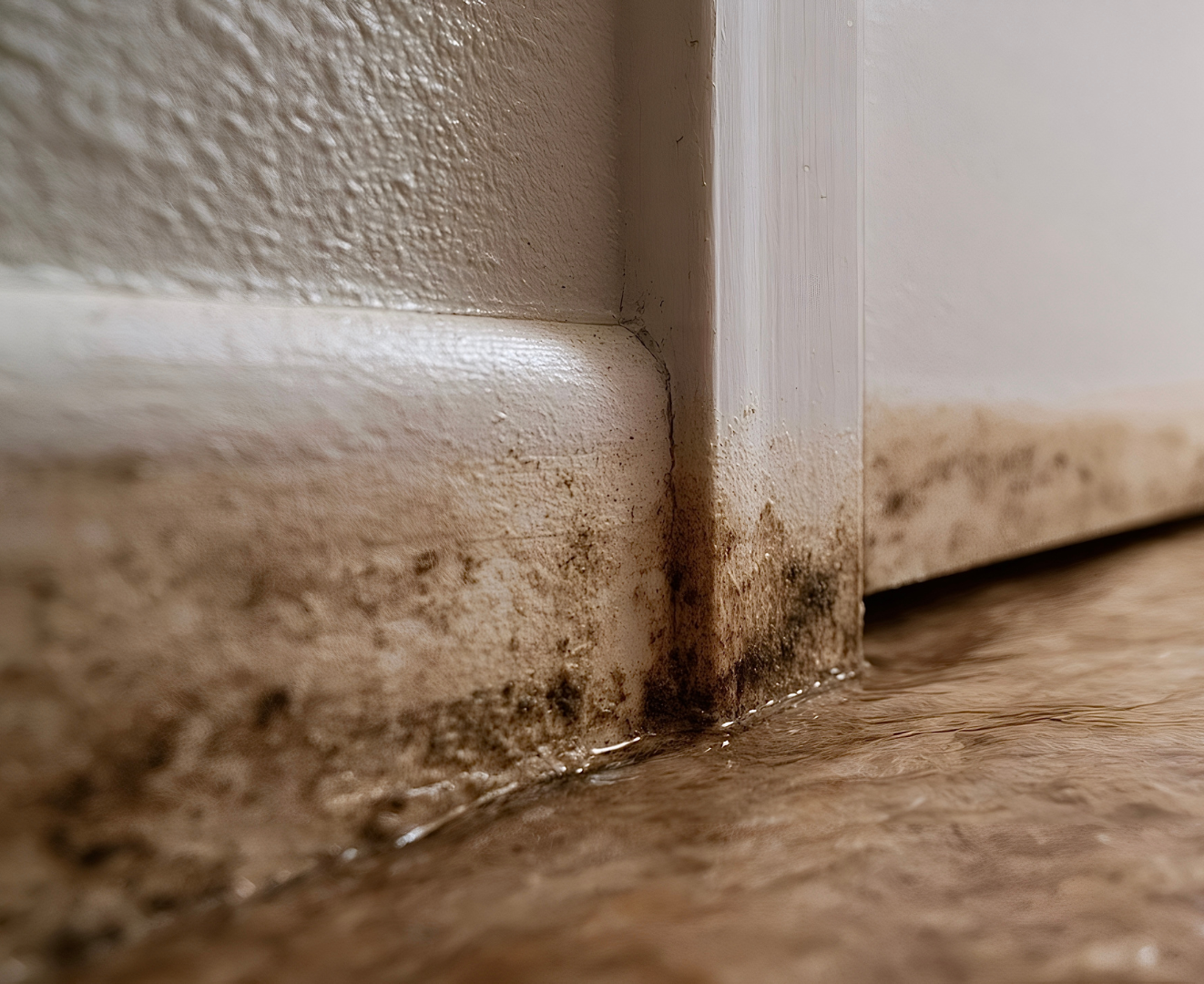
Unusual odors after flooding may indicate electrical damage, moisture buildup, corrosion, or mold growth.
Tripped Breakers
If breakers repeatedly trip after a flood event, electrical components may have been compromised.
Strange Noises
Listen for buzzing, clicking, grinding, or humming — these may indicate water-damaged motors or electrical issues.
Weak Airflow
Flood-related damage to blower components or ductwork can reduce airflow throughout the home.
Short Cycling
Systems that frequently start and stop may have damaged controls or sensors.
Reduced Performance
If your home is no longer maintaining temperature effectively after the flooding event, water exposure may have affected system operation.
Visible Rust or Corrosion
Water exposure can accelerate corrosion on electrical terminals, control panels, metal components, and motors.
Moisture Inside Ductwork
Flooding can introduce moisture into ducts, which may lead to odor, air quality concerns, and reduced efficiency.
Self-Assessment
Quick Homeowner Checklist
- Was your basement or utility room flooded?
- Has the system been exposed to excessive moisture?
- Did water reach your furnace or air handler?
- Does the equipment smell, sound, or perform differently?
- Was your outdoor AC unit standing in water?
- Have breakers tripped since the storm?
If you answered yes to any of these questions, a professional HVAC inspection is recommended before continued operation.
Key Takeaway
Flood damage isn’t always visible. Hidden moisture, electrical issues, and corrosion can take weeks or months to appear. A professional inspection helps identify safety concerns early, protects your HVAC investment, and provides documentation that may be useful during the insurance claims process.
Safety First
Why You Shouldn’t Turn on a Flooded HVAC System
⚠ Important
Attempting to operate a flood-damaged furnace or air conditioner can:
- Cause electrical failures
- Damage expensive components
- Create safety hazards
- Increase repair costs
- Void manufacturer warranties
Our technicians will perform a complete safety assessment to determine whether repair or replacement is the best option.
Protect your system and your family. Call now for a professional safety assessment before turning your HVAC back on.
Action Plan
Flood HVAC Inspection: What Homeowners Should Do
If your home experienced flooding, standing water, or significant moisture intrusion, taking the right steps can help protect your HVAC system and support potential insurance claims.
- 1
Turn Off the System If It Was Exposed to Water
If floodwater reached your furnace, air handler, heat pump, or electrical components, avoid operating the equipment until it has been evaluated.
- 2
Document Any Visible Damage
Take photos of floodwater lines, standing water near equipment, damaged HVAC components, outdoor units that were submerged, and water in basements or utility rooms.
- 3
Schedule a Professional HVAC Inspection
A licensed technician can assess electrical components, motors and blowers, safety controls, circuit boards, wiring and connections, and overall system condition.
- 4
Request Written Findings
Ask for inspection notes, photos, repair recommendations, and replacement estimates if needed. These documents may be helpful if you are working with your insurance carrier.
- 5
Follow Recommended Repairs or Replacement
Depending on the extent of water exposure, your technician may recommend repairs, component replacement, or complete system replacement.
Ready to take step 3? We make it easy. Call now or book online to have a licensed technician inspect your flood-exposed HVAC equipment.
Our Services
Emergency HVAC Service After Flooding
When severe weather strikes, homeowners need fast answers.
Our team provides:
- Emergency HVAC inspections
- Storm damage assessments
- Repair recommendations
- Replacement estimates
- Financing solutions
- Priority scheduling
Whether your system sustained minor water damage or requires complete replacement, we’re here to help restore comfort to your home.
Replacement Options
Flooded Furnace Replacement in Cincinnati
In many cases, floodwater exposure can cause extensive damage to heating equipment.
We offer:
- Furnace replacement
- Heat pump replacement
- Air conditioner replacement
- Complete HVAC system replacement
- Financing options
- Free replacement estimates
If replacement is necessary, we’ll help you select the right high-efficiency system for your home and budget.
Why Inspect
Key Benefits for Homeowners
Ensure Your Family’s Safety
Floodwater can compromise electrical components, wiring, and safety controls. A professional inspection helps identify potential hazards before they become serious problems.
Avoid Unexpected Breakdowns
Water damage often leads to premature equipment failure. Catching issues early can help prevent costly emergency repairs during the hottest or coldest days of the year.
Protect Your Investment
Your HVAC system is one of the most expensive components in your home. An inspection can determine whether repairs are possible or if replacement is the safer long-term option.
Improve Insurance Documentation
A professional assessment can help provide valuable documentation when discussing storm-related damage with your insurance provider.
Restore Comfort Faster
Our technicians can quickly identify issues and provide a clear path to getting your heating and cooling system operating properly again.
Gain Peace of Mind
Keep peace of mind knowing whether your system is safe to run and avoid the uncertainty of hidden flood-related damage affecting your home’s comfort and efficiency.
Insurance Support
Insurance Claim Benefits of a Professional Flood HVAC Inspection
A professional HVAC inspection can provide valuable support during the insurance claims process by helping homeowners:
Document Storm-Related Damage
A detailed technician assessment can identify water exposure, electrical damage, corrosion, and component failures that may not be visible during an initial property inspection.
Establish Cause of Equipment Failure
Professional findings can help distinguish flood-related damage from pre-existing wear and tear, providing important documentation when discussing coverage with an insurance carrier.
Support Repair or Replacement Recommendations
Written inspection findings and replacement estimates can help homeowners understand the scope of damage and provide supporting documentation when submitting a claim.
Identify Hidden Damage
Floodwater can impact control boards, motors, wiring, safety switches, and other internal components. A thorough inspection may uncover issues that homeowners would otherwise miss.
Create a Record for Future Reference
Inspection reports, photos, and estimates can serve as a documentation trail throughout the claim process and help support conversations with adjusters and contractors.
Improve Restoration Planning
Knowing whether equipment is repairable or requires replacement can help homeowners make informed decisions and restore comfort to their homes more quickly.
Get the documentation your insurance carrier needs. Schedule your professional flood HVAC inspection today.
Service Area
Proudly Serving Cincinnati and Surrounding Communities
We provide flood-related HVAC inspections and replacement services throughout:
- Cincinnati
- Oakley
- Hyde Park
- Norwood
- Madisonville
- Pleasant Ridge
- Fairfax
- Montgomery
- Anderson Township
- Blue Ash
- Milford
- Loveland
FAQ