

When you turn on the heat, you expect your home to warm up quickly and stay that way. Yet many homeowners in our service area find themselves bundled in blankets while their furnace runs nonstop. Cold rooms, uneven temperatures, and constant adjustments to the thermostat can make winter feel even longer. At National Heating and Air Conditioning, we often find that the furnace is not the real problem. Instead, the thermostat is the silent culprit behind a home that refuses to stay warm.

The Role of Your Thermostat in Keeping Your Home Warm
Your thermostat works as the command center for your heating system. It measures the temperature inside your home and signals your furnace to turn on or off to maintain your preferred setting. When it works correctly, this process is smooth and efficient.
When something goes wrong, even a well-maintained furnace cannot operate the way it should. A faulty thermostat can interrupt communication with your heating system, shorten heating cycles, or cause the furnace to shut down entirely.
Signs of Thermostat Issues
Homeowners usually notice thermostat problems through symptoms such as:
- Rooms that stay cold even when the furnace is running
- The furnace turning on and off frequently
- Wide temperature swings from room to room
- The thermostat not responding when you adjust the setting
- A display that looks dim, blank, or inconsistent
- The furnace refusing to run at all
Common Thermostat Problems
Several thermostat issues can cause a loss of heat during the coldest part of the year. Miscalibration is a common one. If the thermostat is not reading indoor temperatures correctly, it cannot control the furnace properly. Dead or weak batteries can also interrupt signals, leaving the furnace unable to respond. Wiring problems inside the wall or behind the thermostat can disrupt power or communication.
Older thermostats often struggle to keep up with modern heating systems. Outdated components, worn switches, and aged sensors make them unreliable. Poor thermostat placement also affects heating performance. A thermostat installed near a draft, heating vent, or direct sunlight will send misleading signals that cause the furnace to cycle unevenly. Sensor failure inside the thermostat can also create false temperature readings and prevent the furnace from running long enough to heat your home.
Troubleshooting Thermostat Issues
There are a few things homeowners can try before calling for service. Start by changing the batteries in the thermostat. Many models rely on battery power even if they are wired to the home. Next, check your electrical panel to make sure the furnace or HVAC breaker has not tripped. Resetting a breaker can restore communication between the thermostat and heating system.
Dust can also interfere with the internal components of some thermostats. Gently removing the cover and clearing away loose dust with a soft brush can improve performance. Make sure the thermostat is set to heat mode and verify that the temperature setting is higher than the current room temperature. If your thermostat is located in a drafty hallway or near a door, you may notice shifting temperatures that affect how the furnace operates.
If these simple steps do not restore normal heating, the thermostat likely needs professional attention.
Call National for Thermostat Repair
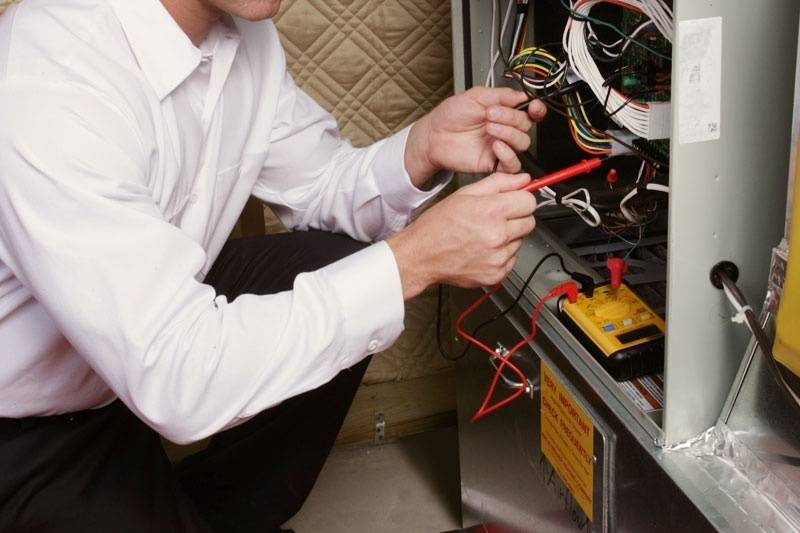
When your home refuses to warm up, National Heating and Air Conditioning can help. Our technicians diagnose thermostat issues quickly and restore accurate temperature control to your home. A faulty thermostat may seem like a small inconvenience, but it can leave your home without reliable heat during the coldest months. We take the time to check wiring, sensors, calibration, and system communication to ensure your furnace receives the correct commands.
If you are noticing cold rooms, inconsistent temperatures, or an unresponsive thermostat, contact National Heating and Air Conditioning today. We will get your heat working the way it should so you can stay warm and comfortable all winter long!