
It’s a cold Cincinnati evening, your home isn’t warming up, and your furnace seems to be kicking on and off every few minutes. If this sounds familiar, don’t ignore it; this rapid on-and-off behavior is known as short-cycling, and it’s often a sign that your furnace is dangerously overheating. Left unchecked, it can lead to serious damage, sky-high energy bills, or even a full system failure.
As the trusted choice for heating services in the greater Cincinnati area for over 90 years, we’re diving into why short-cycling deserves your attention and what you can do about it.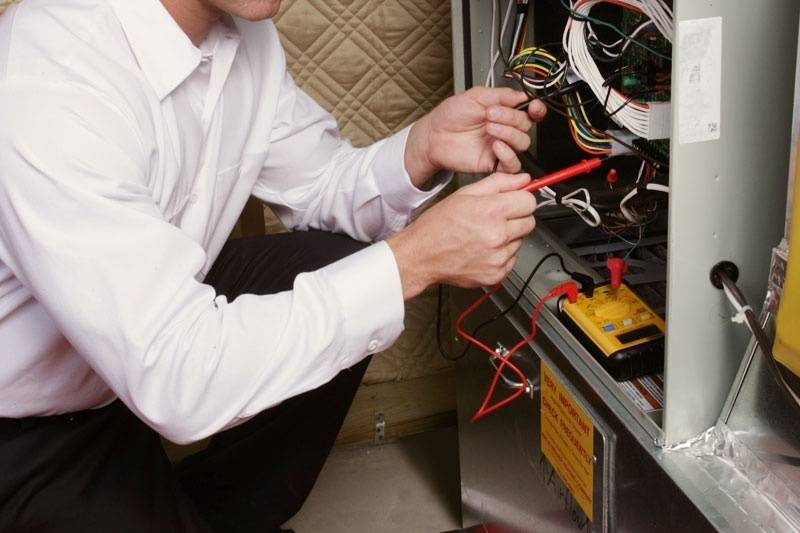
Why Short Cycling Is a Red Flag for Overheating
Furnaces are designed to run in full heating cycles. When internal temperatures get too high, the system’s built-in safety mechanisms force it to shut down early, before it can complete a cycle. This prevents immediate damage but creates a loop: the furnace shuts off, cools slightly, then tries again, only to overheat once more, resulting in poor heating performance and increased strain on every part of the system.
Common Causes of Short Cycling and Overheating
- Dirty filters
- Blocked airflow
- Faulty limit switches
- Thermostat problems
- Blower motor issues
- Clogged vents
How Dirty Filters and Airflow Restrictions Lead to Overheating
Your furnace needs proper airflow to regulate its internal temperature. When filters are clogged or vents are obstructed, that airflow gets restricted. The heat inside the system then builds up too quickly, tripping the high-limit switch and shutting the unit down.
Changing your filter every 1–3 months and keeping vents clear can go a long way toward preventing overheating.
Faulty Limit Switches and Safety Devices
The high-limit switch is your furnace’s main defense against overheating. It monitors internal temperatures and shuts the system down when things get too hot. But if the switch becomes faulty or begins misreading the temperature, it might cut off heating cycles too early, or worse, fail to shut down the furnace in time.
A technician can test and replace malfunctioning limit switches to keep your system operating safely.
Thermostat Malfunctions
A miscalibrated thermostat, bad wiring, or incorrect placement near heat sources or drafts can cause your thermostat to misread the room temperature. This leads to short, erratic heating cycles that leave your home either too cold or too warm.
Make sure your thermostat is set correctly and located in a central, draft-free part of the house. If the problem persists, it may need to be repaired or replaced.
Blower Motor Problems
Your furnace’s blower motor is responsible for circulating warm air through your ducts. If it’s struggling or failing, heat can’t be distributed properly, leading to internal overheating and shutdowns.
Warning sounds of blower motor failure:
- Screeching or squealing
- Rattling or banging
- Clicking or whining
Blower issues usually require professional diagnosis and repair.
Warning Signs Your Furnace Is Overheating
If you see or hear any of these signs of overheating, don’t wait to call for help:
- Burning smells
- Loud or unusual noises
- Unusually high energy bills
- Short, inconsistent heating cycles
- Unexpected system shutdowns
When Homeowners Can Troubleshoot Safely
Some furnace issues can be solved with a simple DIY fix. If you’re feeling up to it, you can try these steps before you call for professional furnace repair:
- Replace the air filter if it’s dirty or clogged
- Check thermostat settings and make sure they’re appropriate for the season
- Open all supply and return vents to allow proper airflow
- Inspect return air areas to ensure nothing is blocking them
If those steps don’t fix the issue, or if you notice worsening symptoms, it’s time to call a professional.
When to Shut the Furnace Off Immediately
When things go wrong and safety measures fail, there is a chance that a malfunctioning furnace could put your health or safety at risk.
Shut your furnace off and call for emergency service if you notice:
- Strong burning or electrical odors
- Loud grinding or screeching sounds
- Repeated, unexplained shutdowns
- Signs of carbon monoxide, such as dizziness, headaches, or CO detector alertsContact Us Today (513) 621-4620
Call National Heating and Air Conditioning for 24/7 Emergency Repair
If your furnace is short-cycling or showing signs of overheating, don’t wait for a breakdown or safety emergency. National Heating and Air Conditioning has been Cincinnati’s trusted HVAC provider for over 90 years, offering 24/7 emergency heating repair, upfront service, and expert care from NATE-certified technicians. Our friendly team will inspect your furnace, diagnose any problems, and make you fully aware of your options with transparent pricing.
Contact us for emergency furnace service in the Cincinnati region.