

If your carbon monoxide detector just went off, stop what you’re doing. Carbon monoxide is colorless, odorless, and completely invisible to your senses, and that’s what makes it so dangerous. You can’t smell it, you can’t see it, and by the time you feel sick from it, you may already be in danger.
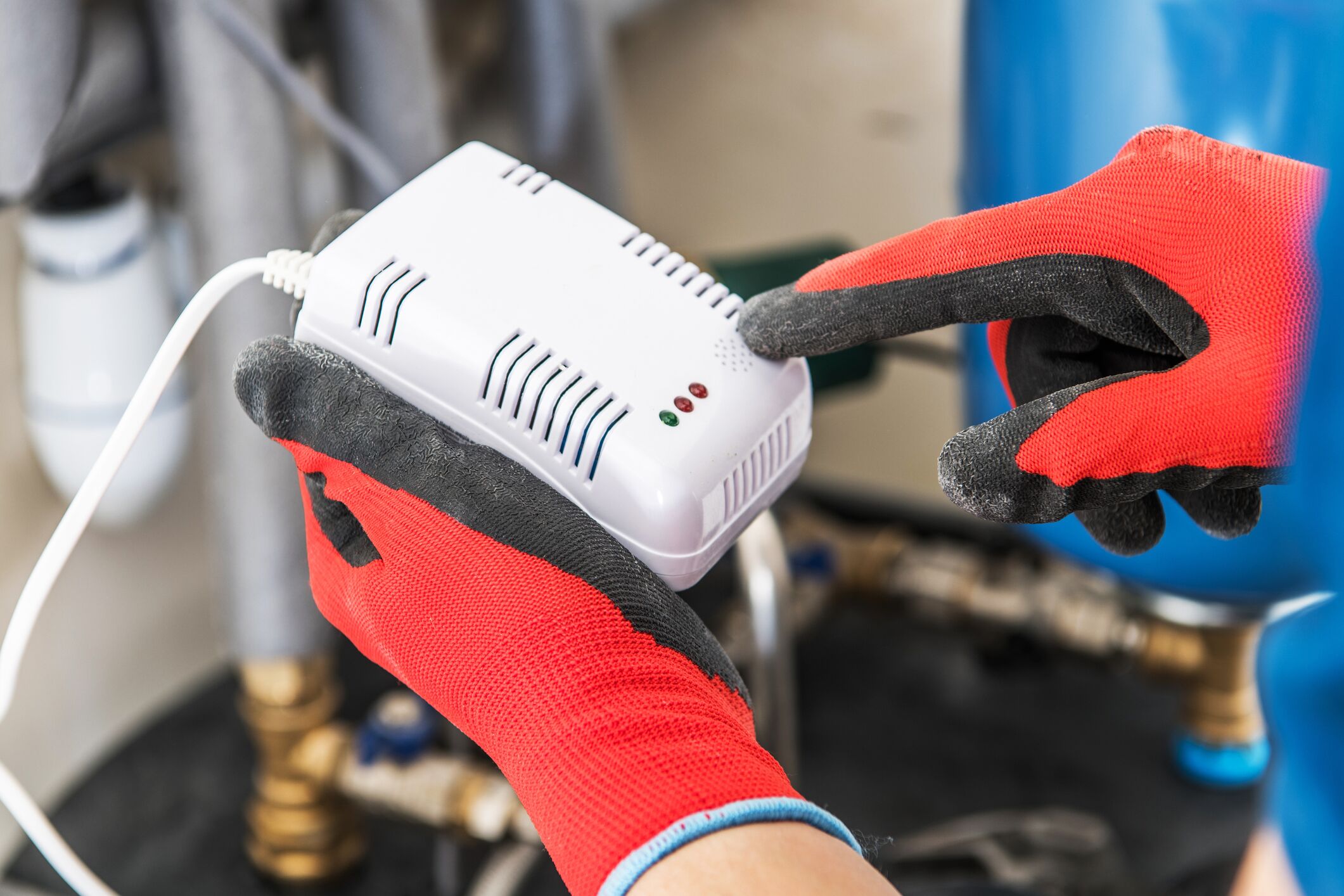
Whether the alarm is still sounding or it has already stopped, take it seriously every single time. Here’s what you need to know if your carbon monoxide detector has gone off:
- Carbon monoxide is colorless and odorless, so you will never detect it without an alarm
- Symptoms like headaches, dizziness, and nausea are easy to mistake for the flu
- CO poisoning kills more than 400 people in the U.S. every year outside of fire-related incidents
- A detector that goes off, even briefly, is never something to reset and ignore
- Any fuel-burning appliance in your home is a potential CO source if it malfunctions or vents improperly
Why You Should Never Ignore a Carbon Monoxide Alarm
Carbon monoxide (CO) is produced when fuel burns incompletely. It includes natural gas, propane, oil, and wood. When it builds up inside a home, it displaces the oxygen in your blood. At low levels, you might feel like you have the flu. At higher levels, it can cause seizures, loss of consciousness, and death.
The scariest part? You may not connect your symptoms to CO poisoning at all. Headaches, dizziness, nausea, and fatigue are easy to write off as something else. That’s why the detector is so important, and why you cannot afford to dismiss the alarm.
Low Battery Chirp or True CO Alarm?
Not every beep from a CO detector is an emergency, but every beep deserves your attention. Here’s the difference:
A low battery chirp is typically a single, short beep that repeats every 30 to 60 seconds. It’s your detector’s way of telling you the battery is dying and needs to be replaced. It’s not a true alarm, but don’t ignore it either. A dead battery means no protection.
A true CO alarm is a loud, continuous series of beeps, usually four short beeps followed by a pause, repeating over and over. If you hear that pattern, treat it as a real emergency.
What Can Cause a CO Alarm?
When a true CO alarm sounds, the source is almost always a fuel-burning appliance or a ventilation problem. Here are the most common culprits:
- Malfunctioning gas furnace:
- Cracked or blocked heat exchanger
- Gas water heater problems
- Blocked or damaged flues and vents
- Running a vehicle in an attached garage
- Other fuel-burning appliances
CO Exposure Levels and What They Mean
Understanding how CO concentration affects the body can help you recognize why speed matters when your alarm goes off. The higher the level, the faster symptoms appear and the less time you have to get out safely.
| CO Level (PPM) | What Happens | Time to Symptoms |
|---|---|---|
| 1–70 ppm | Headache, fatigue, nausea at the higher end | 1–3 hours at 70 ppm |
| 70–150 ppm | Severe headache, dizziness, disorientation | 2–3 hours |
| 150–200 ppm | Severe symptoms, risk of collapse | 1–2 hours |
| 200–400 ppm | Life-threatening; incapacitation likely | 30–45 minutes |
| 400+ ppm | Fatal exposure risk | Less than 3 hours |
| 800+ ppm | Convulsions, death | Less than 1 hour |
PPM = parts per million. Most CO detectors are designed to alarm before levels reach 70 ppm, but by the time an alarm sounds at higher concentrations, you may already be feeling symptoms. Don’t wait to feel sick before you act.
What To Do When Your CO Detector Goes Off
Act fast. Here’s exactly what to do:
- Get everyone out immediately. That means people and pets. Don’t stop to grab your phone or keys. Get outside and get to fresh air right away.
- Don’t go back inside. Even if the alarm stops and you feel fine, do not re-enter the home. CO can linger long after the source stops producing it. The alarm stopping doesn’t mean the danger is gone.
- Call 911 from outside. Let emergency responders know your CO detector went off. They have the equipment to measure CO levels and identify the source. Wait for their all-clear before going back inside.
- If anyone has symptoms, get medical attention immediately. Headache, dizziness, confusion, nausea, or chest pain after a CO alarm are signs of poisoning. Don’t wait those symptoms out at home.
After the all-clear, call a licensed HVAC professional. Emergency responders will confirm whether it’s safe to re-enter, but they won’t diagnose your appliances. You need a qualified technician to inspect your furnace, water heater, vents, and flues to find what caused the alarm and fix it before you resume your normal routine.
Call National Heating & Air for Furnace and Gas Appliance Inspection in Cincinnati
If your CO detector went off and you’re in the Cincinnati area, National Heating & Air is ready to help. With over 90 years of experience serving Greater Cincinnati, we offer 24/7 emergency service.
Contact National Heating & Air today to schedule your inspection online.